ONE-STOP SOLUTION SERVICE, CONTACT US NOW! WHATSAPP: +8615093378359 Email: heavyequipmentchina@gmail.com

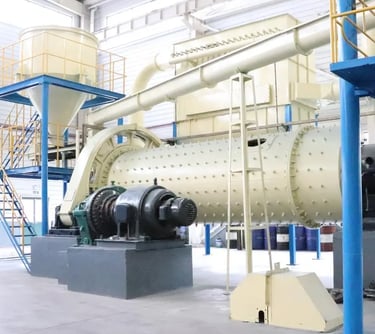
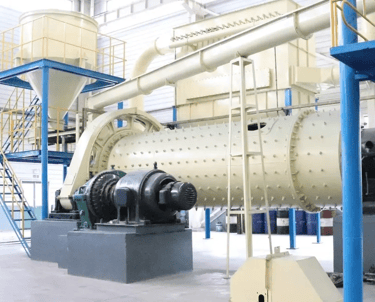
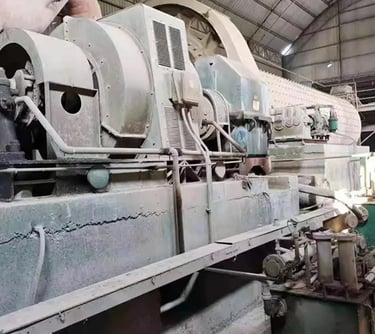
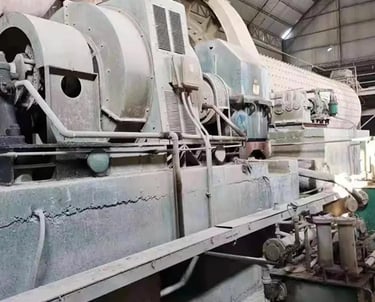
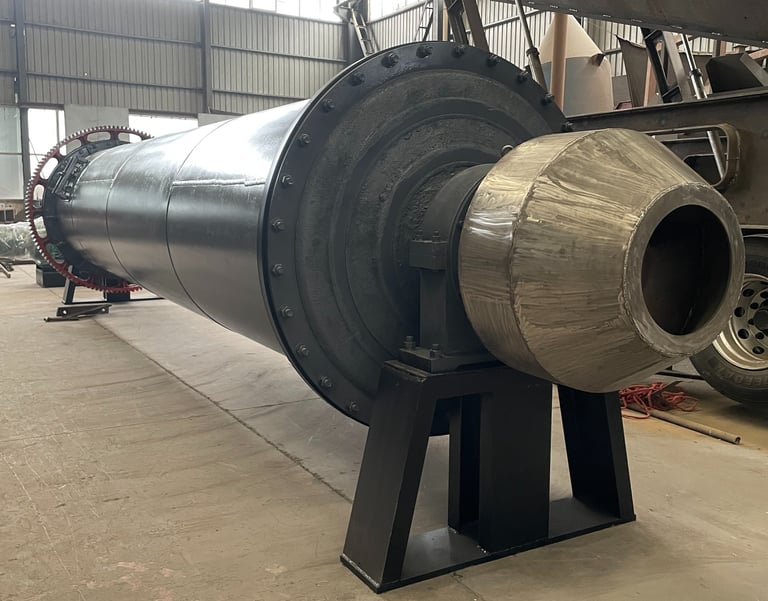
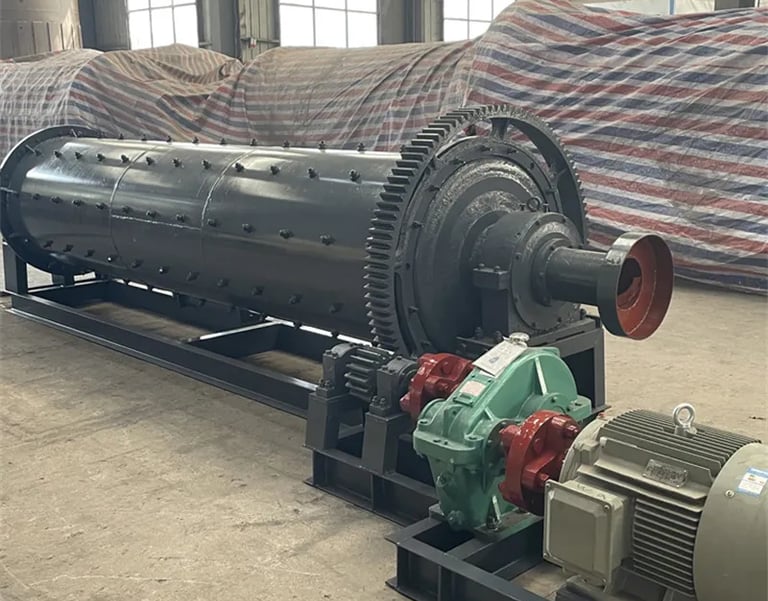
Limestone ball mill
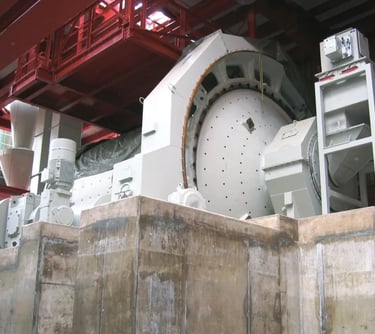
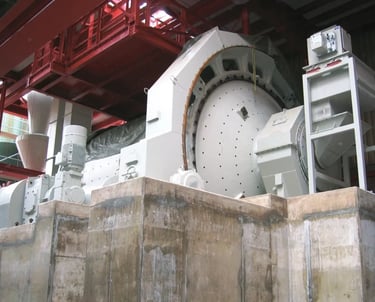
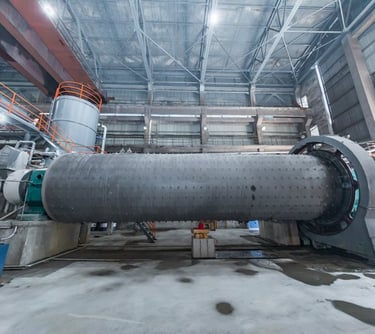
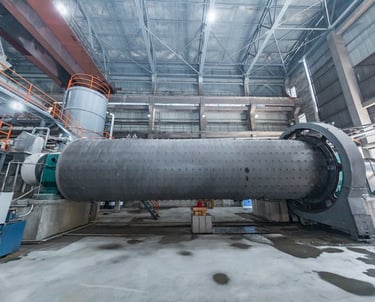
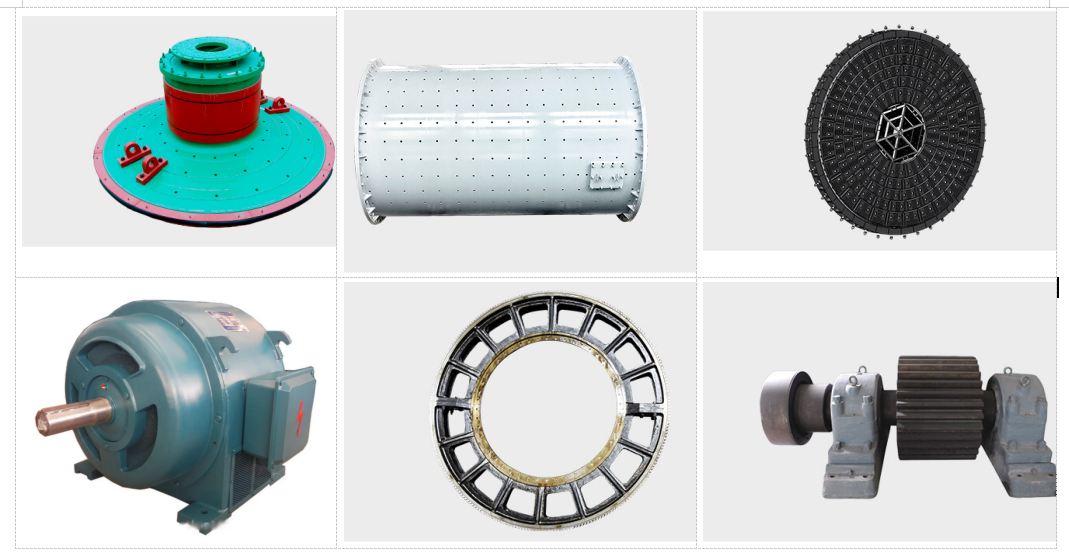
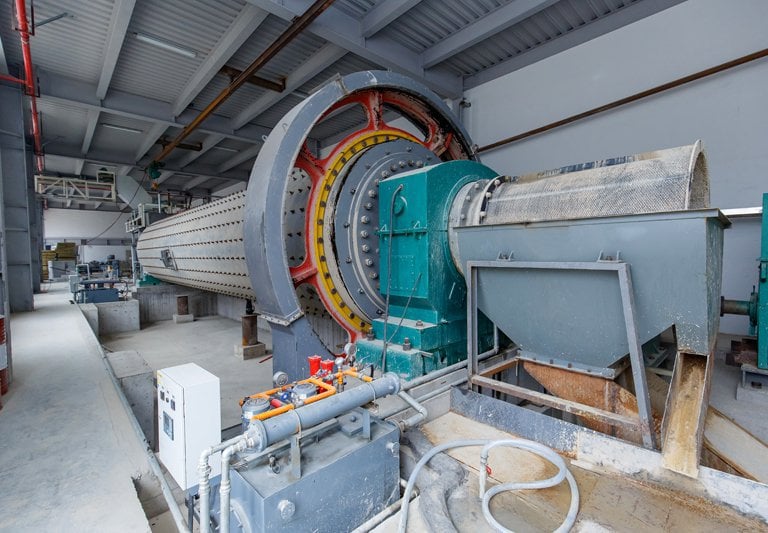
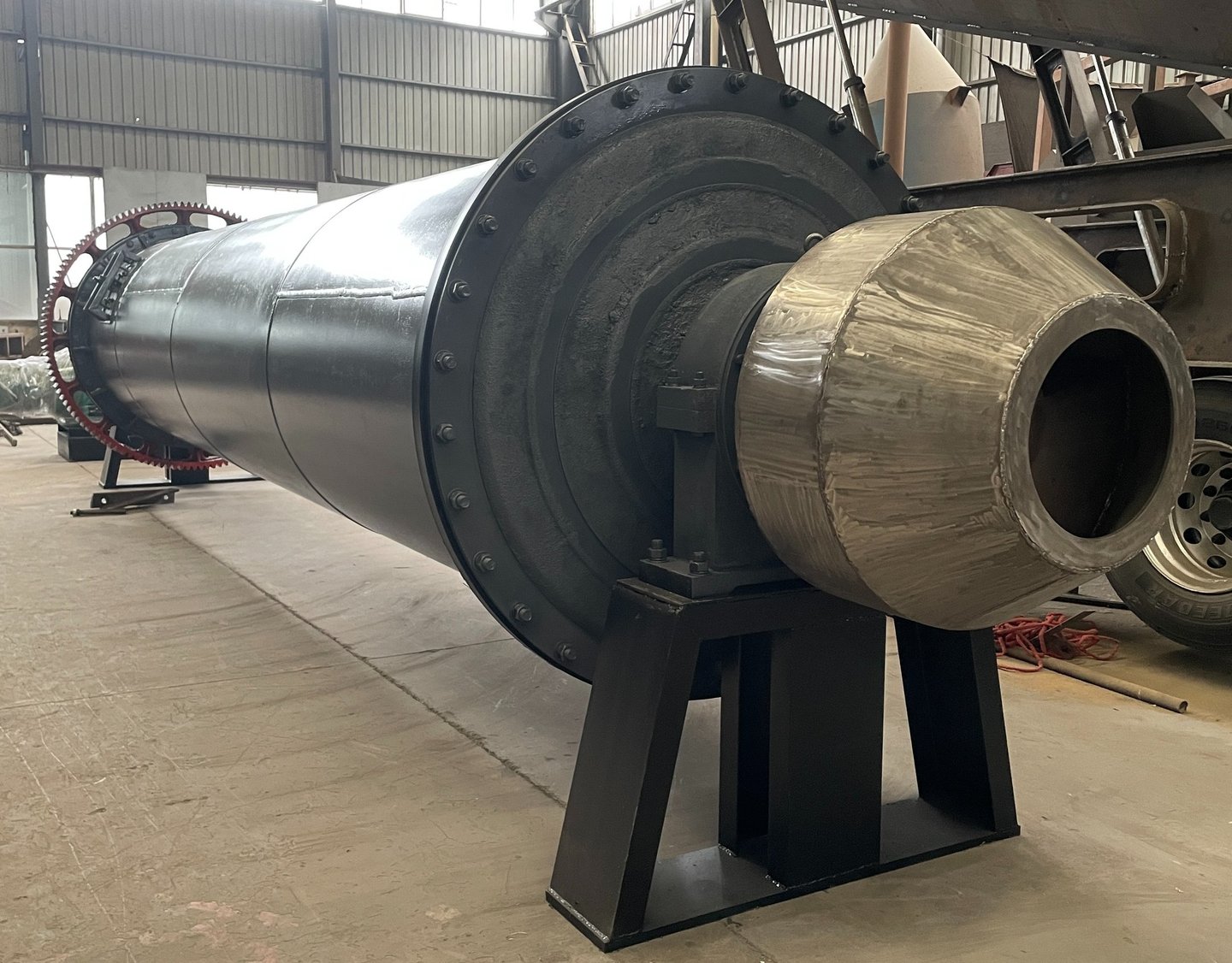
A limestone ball mill is a key piece of grinding equipment used to grind crushed limestone into fine powder for use in various industrial applications. It is widely applied in industries such as cement production, metallurgy, chemical engineering, and construction materials.
The machine operates on the principle of impact and attrition: as the cylindrical shell rotates, steel balls inside the mill fall and crush the limestone particles into finer sizes. The ground material is then discharged through a screen or classifier to achieve the desired fineness.
Limestone ball mills are valued for their high grinding efficiency, stable performance, and uniform particle size output. They are often used in the preparation of limestone powder for desulfurization in power plants, cement clinker blending, and lime production.
Depending on the production requirements, the mill can be configured as dry type or wet type, and can operate in open or closed circuits. With proper design and maintenance, a limestone ball mill provides reliable, long-term service and consistent product quality.
Design & Options:
Capable of processing up to 12,000 lbs/hour
Ultra-fine milling of hard & abrasive materials to D90 < 2 µm
Available from 5 feet long @ 20 HP to 25 feet long @ 1,000 HP
Long service life with low maintenance & energy consumption
Various wear options: Steel, Stainless Steel, Ceramic or Aluminum Oxide liners
Ball Media include: Steel, Ceramic, Aluminum Oxide beads
Exceptional particle size distribution control when integrated with a Hosokawa Air Classifier
Variable drive speed for adjustable milling results
Optional load cell integration for optimum grinding output
Applicable materials
limestone
Calcite
Cement
Kaolin
Calcium Carbonate
Bauxite
Ground Calcium Carbonate / Limestone
Quartz - Silica
Aluminum silicate
Bentonite
Calcium Carbonate
Feldspar
Refractories
Zinc oxide
Zircon sand
Optimizing Limestone Grinding with the Right Ball Mill
Limestone is one of the world's most versatile minerals, serving as the backbone for the construction, chemical, and power industries. Whether it is used for flue gas desulfurization (FGD), cement production, or as a filler in plastics, the quality of the final product depends entirely on the grinding process.
At the heart of this process sits the ball mill—the most reliable and efficient tool for reducing limestone from crushed rock into fine powder or slurry.
Choosing the Right Configuration: Overflow vs. Grate
For wet grinding applications—commonly seen in power plant desulfurization projects—the overflow ball mill is the industry standard. Its self-classifying discharge mechanism ensures that the limestone slurry reaches the optimal density and particle size required for chemical reactivity without the risk of over-grinding.
Beyond Standard Grinding: Superfine Solutions
As the demand for high-quality heavy calcium carbonate (GCC) increases in the paper and paint industries, standard milling isn't enough. This is where the superfine ball mill (or ultrafine ball mill) comes into play.
Equipped with advanced classifying systems and smaller, high-density grinding media, our ultrafine units can achieve micron-level particle sizes. This transforms cheap raw limestone into a high-value industrial commodity.
One Mill, Many Applications: How Limestone Compares
While our primary focus in this post is limestone, it is important to understand how these mills compare to other configurations in the mineral processing world:
Cement Ball Mill: Limestone is the primary ingredient in cement clinker. Consequently, a cement ball mill shares many design features with a limestone mill, often operating in a closed circuit with a powder separator to ensure high surface area (Blaine value).
Quartz Ball Mill: Unlike limestone, which is relatively soft (Mohs hardness 3), quartz is extremely abrasive (Mohs hardness 7). A quartz ball mill requires specialized high-chrome liners and harder grinding media to prevent wear, whereas limestone mills can prioritize liner profiles that maximize lift and impact.
Rod Ball Mill: If your goal is a coarser product—such as limestone sand for construction—a rod ball mill is often preferred over a standard ball mill. The steel rods create line contact rather than point contact, producing a uniform granule with fewer fines.
Slag Ball Mill: In modern "green" cement production, blast furnace slag is ground to replace clinker. A slag ball mill must handle material that is harder to grind than limestone, often requiring higher energy input and specific drying chambers.
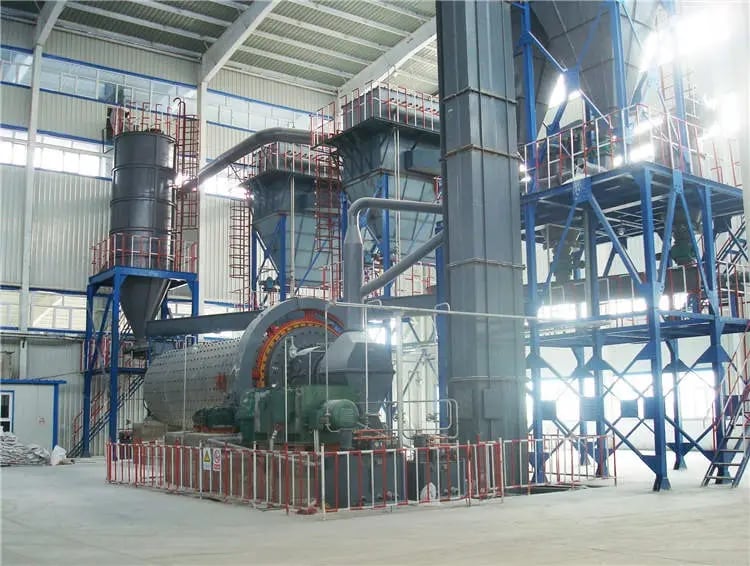
Key Features of Our Limestone Grinding Plant
High Efficiency: Optimized ball mill liners and shell design reduce energy consumption by up to 30%.
Versatility: Capable of both dry grinding (for powder) and wet grinding (for slurry).
Durability: Heavy-duty main bearings and gears ensure continuous operation with minimal downtime.
Get the Best Ball Mill Price
Whether you are setting up a desulfurization plant or a calcium carbonate powder line, selecting the right equipment is crucial. From the coarse grinding of a rod ball mill to the precision of a superfine ball mill, we offer the full spectrum of grinding technology.
Contact us today for a custom consultation and a competitive quote on your limestone grinding solution.
Sucessful Ball Mill Cases