ONE-STOP SOLUTION SERVICE, CONTACT US NOW! WHATSAPP: +8615093378359 Email: heavyequipmentchina@gmail.com

Batch ball mill
Write a short text about your service
Write a short text about your service
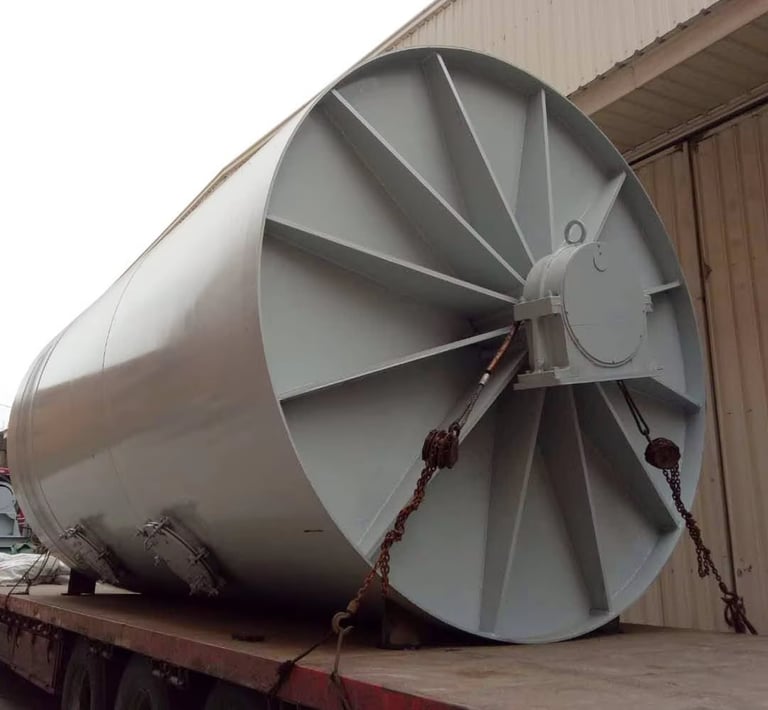
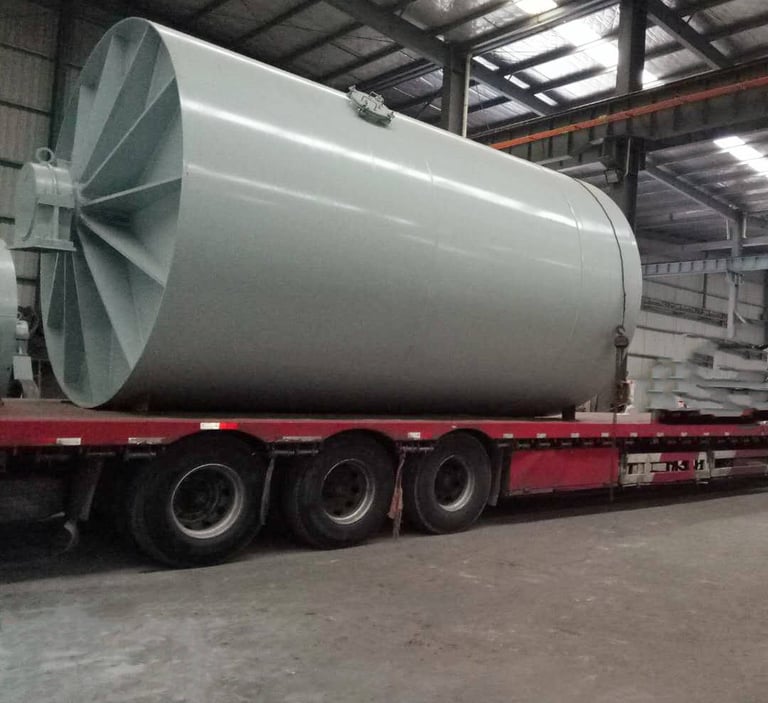
In the realm of material processing and mining, the quartz ball mill stands out as a vital tool for producing high-quality quartz powder. Engineered specifically for grinding various materials, this equipment plays a crucial role across various industries, including ceramics, cement, and mineral processing. Among the diverse types of ball mills available, the ceramic ball mill and the cement ball mill are particularly noteworthy, each serving unique applications that leverage their distinct features.
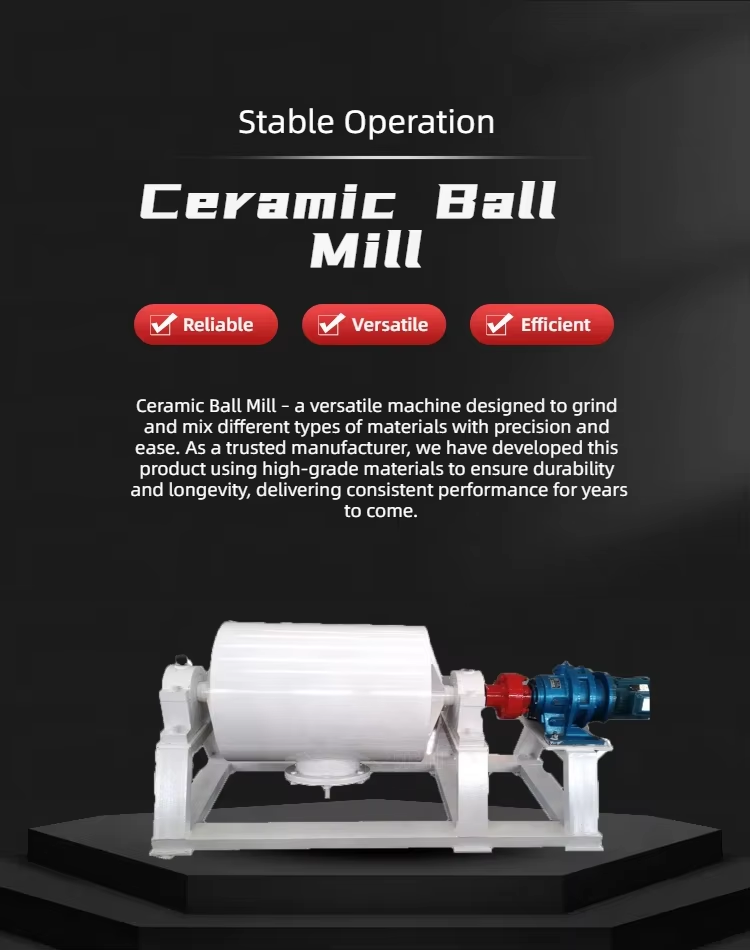
The ceramic ball mill is primarily utilized for the fine grinding of materials within the ceramics industry, allowing for the production of uniform particle sizes essential for high-grade ceramic products. This type of mill is designed to minimize contamination during milling, making it ideal for processes that demand purity.
On the other hand, the cement ball mill plays an equally important role in cement production, where it grinds clinker into fine cement powder. The efficiency of this particular ball mill directly affects the quality and performance of the final product, underlining the need for precision and reliability in its operation.
For those seeking even finer granulation, the superfine ball mill and ultrafine powder ball mill offer solutions capable of achieving an exceptional level of fineness. These mills are equipped with advanced technology to disrupt materials down to the nanoscale, providing industries such as pharmaceuticals and advanced materials with unmatched particle size distribution.
Moreover, the ball mill for quartz powder specifically addresses the requirement for finely milled quartz, whose applications spread across various sectors, including glass manufacturing, electronics, and as a filler in other materials. The effectiveness of quartz ball milling opens new avenues for innovation and efficiency in production processes.
In conclusion, the versatility and adaptability of the quartz ball mill, alongside its variants such as the ceramic, cement, superfine, and ultrafine powder ball mills, make them indispensable in the journey of transforming raw materials into high-performance products. Whether reducing quartz to a fine powder or ensuring the integrity of ceramic and cement goods, these ball mills continue to shape the landscape of industrial processing.
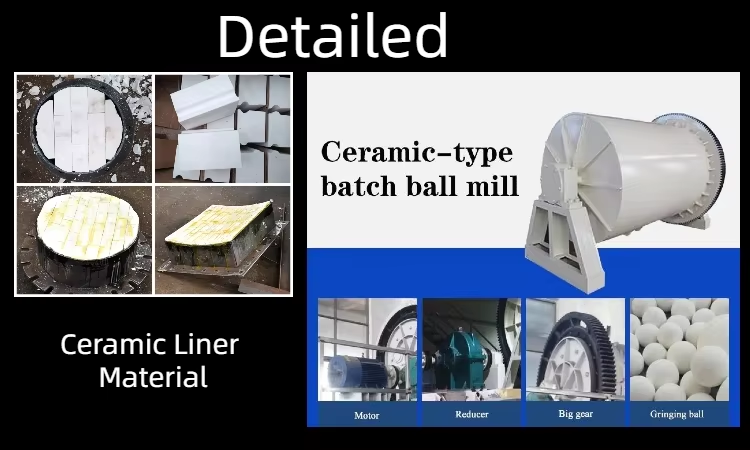
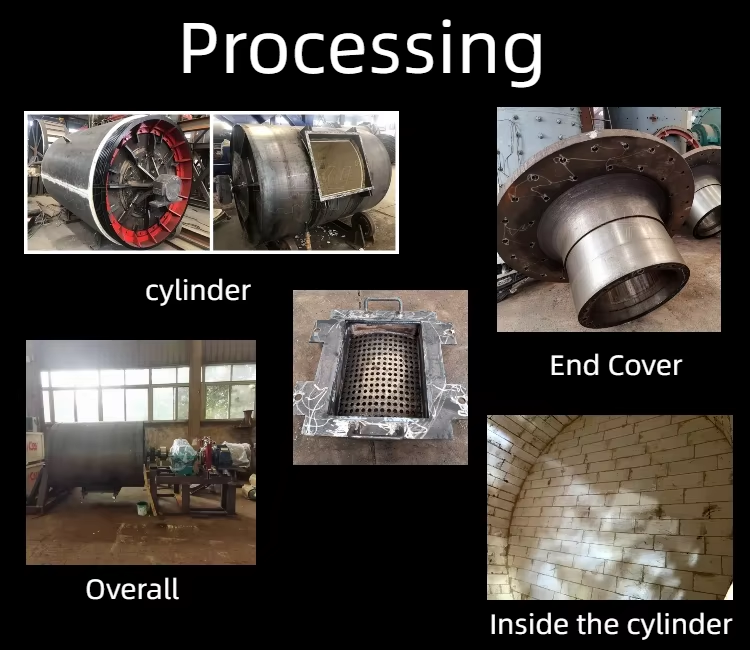
* Mill Shell:
The cylindrical shell provides a protective and structural enclosure for the mill. It is often made of steel and lined with wear-resistant materials to prolong its lifespan.
* Mill Liners:
Liners protect the mill shell from wear and facilitate the movement of grinding media. They are typically made of rubber, metal, Ceramic, or composite materials.
* Grinding Media:
The grinding media are the balls used for grinding and come in various materials such as steel, ceramic, or natural pebbles. Different sizes and types of media are used for different applications.
Features & Advantages
Energy-saving & High Output
Compared with traditional equipment, the output of the ceramic ball mill is 25% higher,the power consumption is 26% lower,and the grinding medium consumption is also less.
No Abnormal Noise
The ceramic ball mill adopts new technology to reduce the resistance inside the machine,therefore the ball mill ventilation is smooth and the product particle size distribution is reasonable.There is no abnormal noise and unsatble factors during the operation.
Steady Running
The use of modified gear can reduce the sliding speed and sliding ratio of the meshing,thus advancing the wear-resistant and anti-scuffing performance of the gear,enhancing the lubrication state of the gear transmission,and improving the reliability of the ceramic ball mill